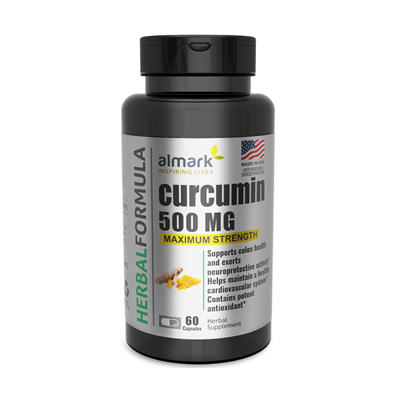
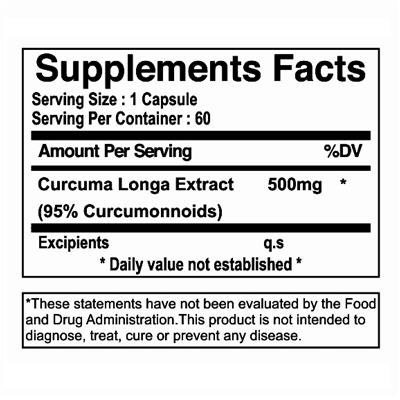
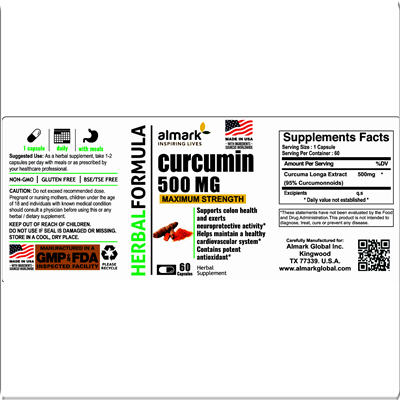
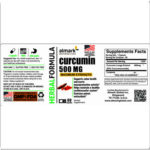
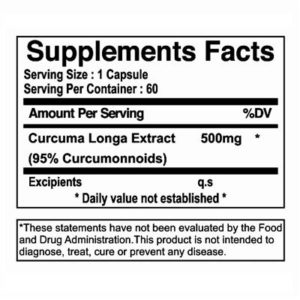
Curcumin is the amazing active compound that is found within the turmeric root. It has long been used as treatment in traditional Chinese and Ayurvedic medicines. It’s both antioxidant-rich and a fantastic daily supplement for promoting a healthy inflammation response in the body. To get the full benefits of curcumin however, it must come with the right support ingredients.
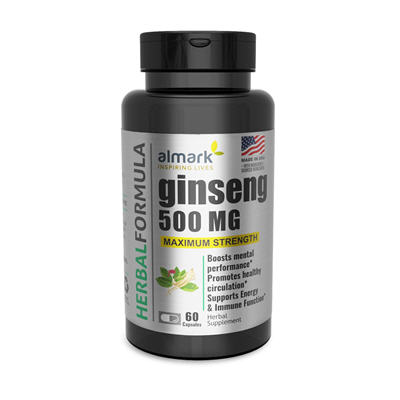
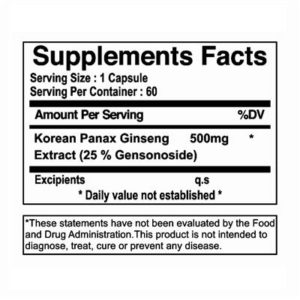
Ginseng refers to eleven different varieties of a short, slow-growing plant with fleshy roots. Ginseng is believed to restore and enhance wellbeing. It is one of the most popular herbal remedies.
The herbs consist of a light-colored, forked-shaped root, a relatively long stalk, and green leaves with an oval shape.
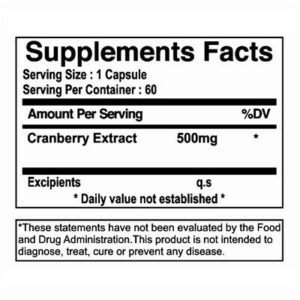
Cranberries are native to North America. They are farmed on approximately 40,000 acres across the northern United States and Canada.
Cranberries are a healthful food, due to their high nutrient and antioxidant content. They are often referred to as a "super food." Half a cup of cranberries contains only 25 calories.
The nutrients in cranberries have been linked to a lower risk of urinary tract infections, prevention of certain types of cancer, improved immune function, and decreased blood pressure.
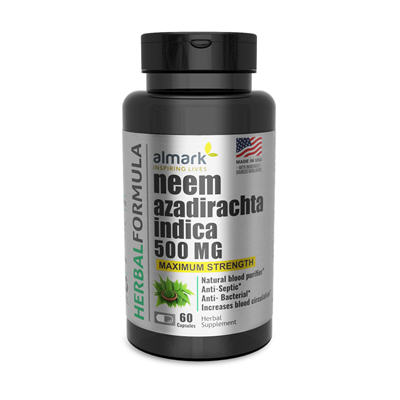
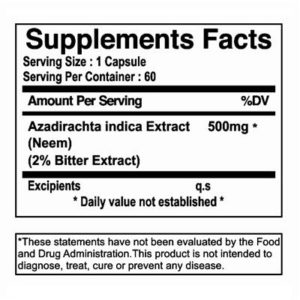
Neem is a tree. The bark, leaves, and seeds are used to make medicine. Less often, the root, flower, and fruit are also used.
The bark is used for malaria, stomach and intestinal ulcers, skin diseases, pain, and fever.
The flower is used for reducing bile, controlling phlegm, and treating intestinal worms.
The fruit is used for hemorrhoids, intestinal worms, urinary tract disorders, bloody nose, phlegm, eye disorders, diabetes, wounds, and leprosy.
Neem contains chemicals that might help reduce blood sugar levels, heal ulcers in the digestive tract, prevent pregnancy, kill bacteria, and prevent plaque formation in the mouth.
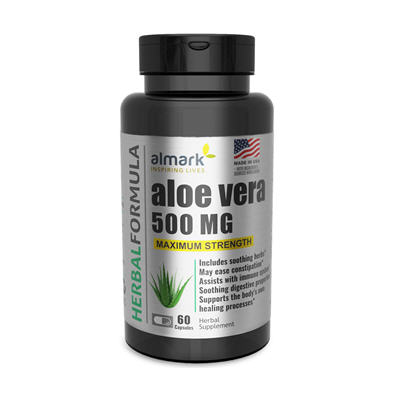
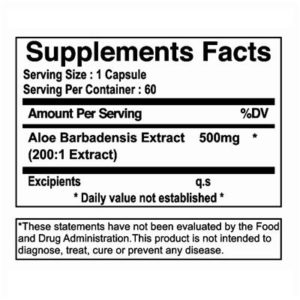
Aloe Vera is a medicinal plant that does wonders for our body. Its major use is in the form of skin treatments, but there are various other benefits of Aloe Vera. This plant is commonly used in cosmetic food and pharmaceutical industries. The translucent gel of Aloe is made up of around 96% water content.
Aloe Vera is wildly used as a traditional herbal medicine across the globe. It’s known for its healing, smoothening and moisturizing properties. It belongs to the family of genus Aloe that grows in tropical climates around the world. It can be grown either as an indoor or an outdoor plant.
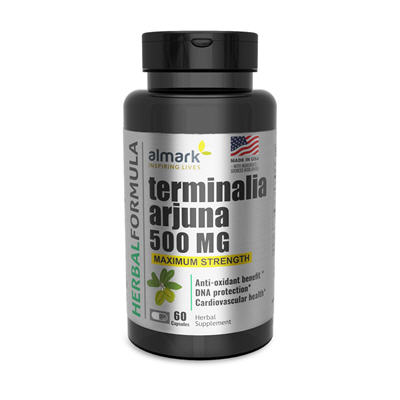
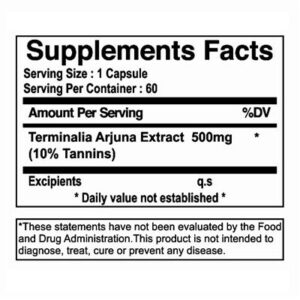
In traditional Ayurvedic medicine, Terminalia arjuna has been used to balance the three “humors”: kapha, pitta, and vata. It has also been used for asthma, bile duct disorders, scorpion stings, and poisonings. The bark of Terminalia arjuna has been used in India for more than 3000 years, primarily as a heart remedy.
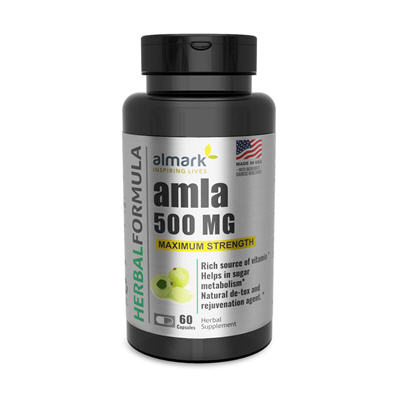
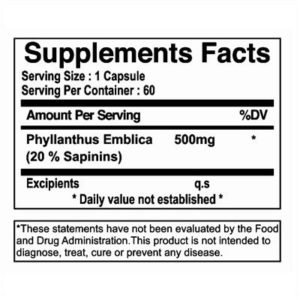
Indian gooseberry is a tree that grows in India, the Middle East, and some southeast Asian countries. Indian gooseberry has been used in Ayurvedic medicine for thousands of years. Today people still use the fruit of the tree to make medicine.
Indian gooseberry is most commonly used for high cholesterol, abnormal levels of cholesterol or blood fats (dyslipidemia), and persistent heartburn. It is also used for diarrhea, nausea, and cancer, but there is no good scientific evidence to support these uses.
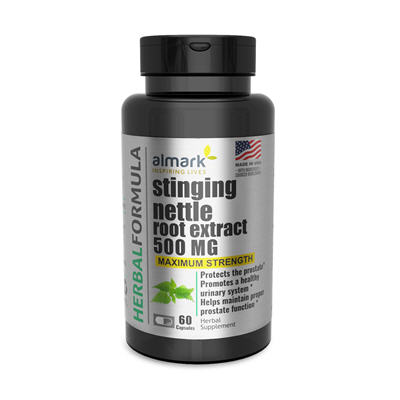
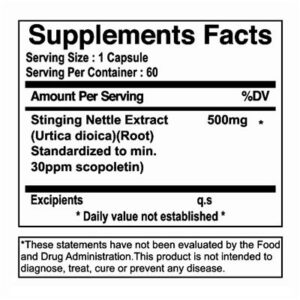
Stinging nettle (Urtica dioica) has been a staple in herbal medicine since ancient times.
Ancient Egyptians used stinging nettle to treat arthritis and lower back pain, while Roman troops rubbed it on themselves to help stay warm.
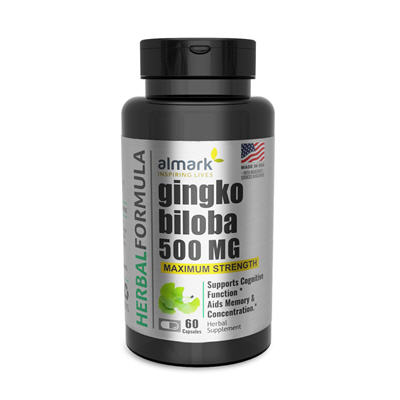
Ginkgo biloba, or maidenhair, is a tree native to China that has been grown for thousands of years for a variety of uses.
Because it’s the only surviving member of an ancient order of plants, it's sometimes referred to as a living fossil.
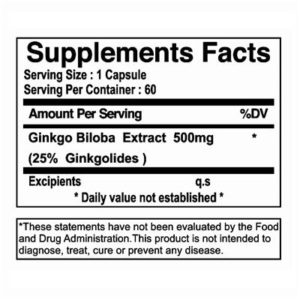
While its leaves and seeds are often used in traditional Chinese medicine, modern research primarily focuses on ginkgo extract, which is made from the leaves.
Ginkgo supplements are associated with several health claims and uses, most of which focus on brain function and blood circulation
Ginseng refers to eleven different varieties of a short, slow-growing plant with fleshy roots. Ginseng is believed to restore and enhance wellbeing. It is one of the most popular herbal remedies.
The herbs consist of a light-colored, forked-shaped root, a relatively long stalk, and green leaves with an oval shape.
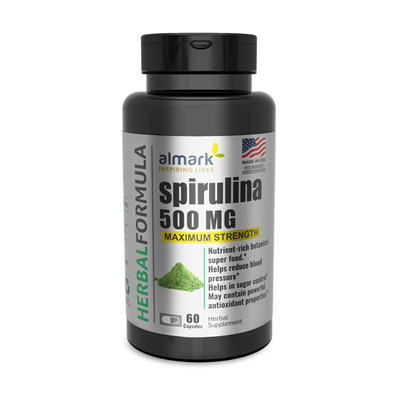
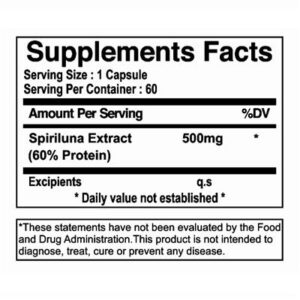
Spirulina is among the world’s most popular supplements.
It is loaded with various nutrients and antioxidants that may benefit your body and brain. Spirulina is an organism that grows in both fresh and salt water.
It is a type of cyanobacteria, which is a family of single-celled microbes that are often referred to as blue-green algae. Spirulina is a fantastic source of antioxidants, which can protect against oxidative damage.







Reviews
There are no reviews yet.