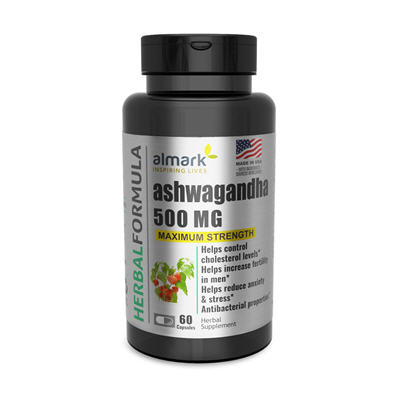
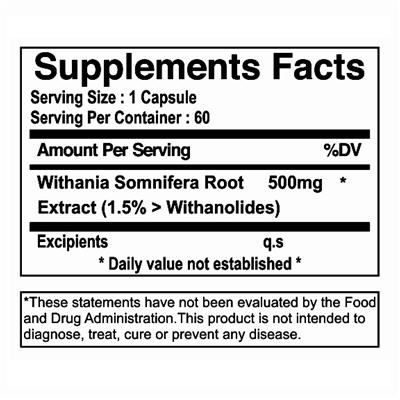
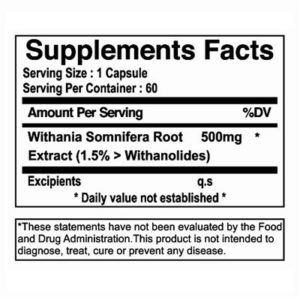
Ashwagandha, also known as Withania somnifera or “Indian Winter Cherry,” is an adaptogenic herb that supports the body’s ability to maintain physical effort and adapt to various types of stress.
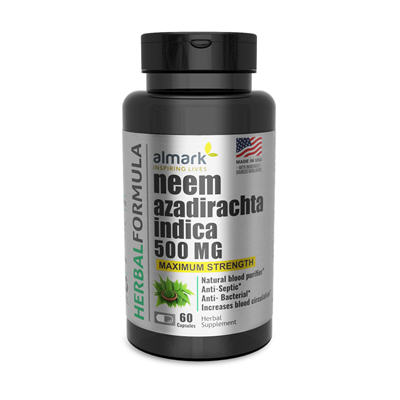
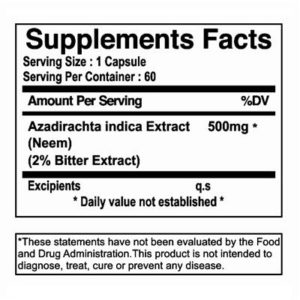
Neem is a tree. The bark, leaves, and seeds are used to make medicine. Less often, the root, flower, and fruit are also used.
The bark is used for malaria, stomach and intestinal ulcers, skin diseases, pain, and fever.
The flower is used for reducing bile, controlling phlegm, and treating intestinal worms.
The fruit is used for hemorrhoids, intestinal worms, urinary tract disorders, bloody nose, phlegm, eye disorders, diabetes, wounds, and leprosy.
Neem contains chemicals that might help reduce blood sugar levels, heal ulcers in the digestive tract, prevent pregnancy, kill bacteria, and prevent plaque formation in the mouth.
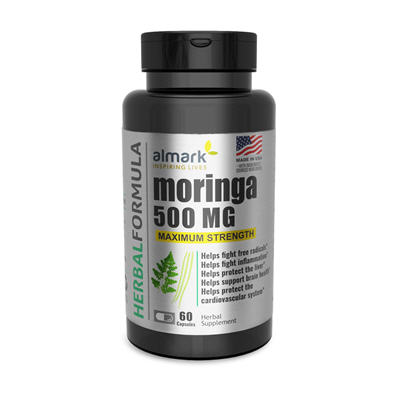
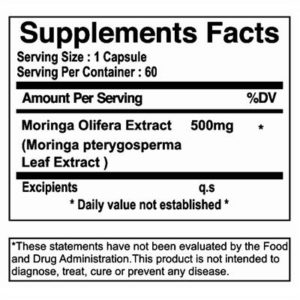
Moringa is a plant that is native to the sub-Himalayan areas of India, Pakistan, Bangladesh, and Afghanistan. It is also grown in the tropics. The leaves, bark, flowers, fruit, seeds, and root are used to make medicine.
Moringa is used for “tired blood” (anemia); arthritis and other joint pain (rheumatism); asthma; cancer; constipation; diabetes; diarrhea; epilepsy; stomach pain; stomach and intestinal ulcers; intestinal spasms; headache; heart problems; high blood pressure; kidney stones; fluid retention; thyroid disorders; and bacterial, fungal, viral, and parasitic infections.
Moringa is also used to reduce swelling, increase sex drive (as an aphrodisiac), prevent pregnancy, boost the immune system, and increase breast milk production. Moringa contains proteins, vitamins, and minerals. As an antioxidant, it seems to help protect cells from damage.
Saw palmetto is a tree. Its ripe fruit is used to make medicine.
Saw palmetto is most commonly used for decreasing symptoms of an enlarged prostate called benign prostatic hypertrophy (BPH), but some scientific evidence shows that it does not work. Saw palmetto is also used to prevent complications from prostate surgery and for treating certain types of prostate conditions.
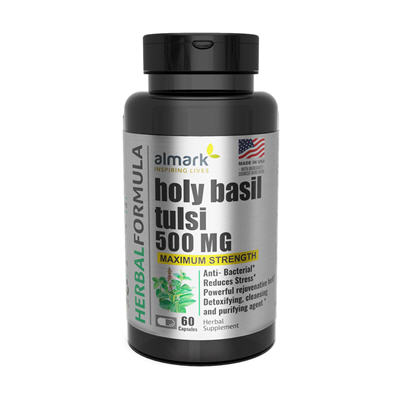
Holy basil is a plant. It is originally from India but now grows in Australia, West Africa, and some Middle Eastern countries. It is used in Ayurvedic medicine as an "adaptogen" to counter life's stresses. It is considered a sacred plant by the Hindus and is often planted around Hindu shrines. The Hindu name for holy basil, Tulsi, means "the incomparable one." Medicine is made from the leaves, stems, and seeds.
Holy basil is commonly used by mouth to help with anxiety and stress. It is also used for diabetes and high cholesterol.
Chemicals in holy basil are thought to decrease pain and swelling (inflammation). Other chemicals might lower blood sugar in people with diabetes.
Fenugreek (Trigonella foenum-graecum) is a plant that stands around 2–3 feet (60–90 cm) tall. It has green leaves, small white flowers, and pods that contain small, golden-brown seeds.
For thousands of years, fenugreek has been used in alternative and Chinese medicine to treat skin conditions and many other diseases
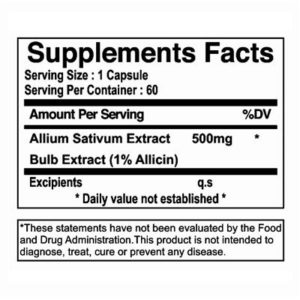
Garlic (Allium sativum), is used widely as a flavoring in cooking, but it has also been used as a medicine throughout ancient and modern history; it has been taken to prevent and treat a wide range of conditions and diseases.
Garlic belongs to the genus Allium and is closely related to the onion, rakkyo (an onion found in Asia), scallion, chive, leek, and shallot. It has been used by humans for thousands of years and was used in Ancient Egypt for both culinary purposes and its health and therapeutic benefits.
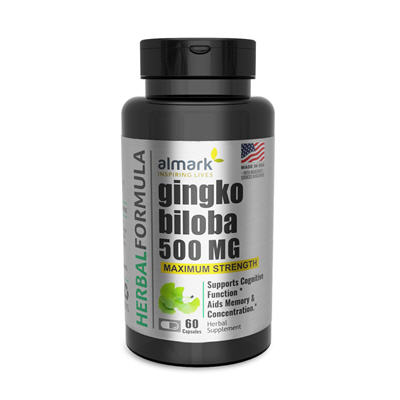
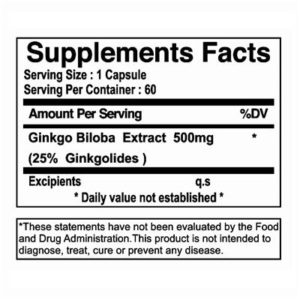
Ginkgo biloba, or maidenhair, is a tree native to China that has been grown for thousands of years for a variety of uses.
Because it’s the only surviving member of an ancient order of plants, it's sometimes referred to as a living fossil.
While its leaves and seeds are often used in traditional Chinese medicine, modern research primarily focuses on ginkgo extract, which is made from the leaves.
Ginkgo supplements are associated with several health claims and uses, most of which focus on brain function and blood circulation
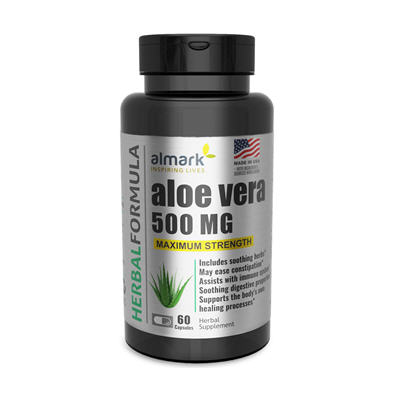
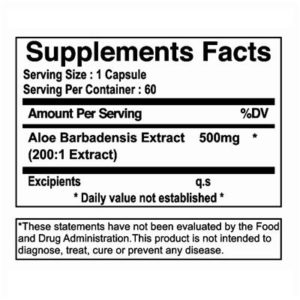
Aloe Vera is a medicinal plant that does wonders for our body. Its major use is in the form of skin treatments, but there are various other benefits of Aloe Vera. This plant is commonly used in cosmetic food and pharmaceutical industries. The translucent gel of Aloe is made up of around 96% water content.
Aloe Vera is wildly used as a traditional herbal medicine across the globe. It’s known for its healing, smoothening and moisturizing properties. It belongs to the family of genus Aloe that grows in tropical climates around the world. It can be grown either as an indoor or an outdoor plant.
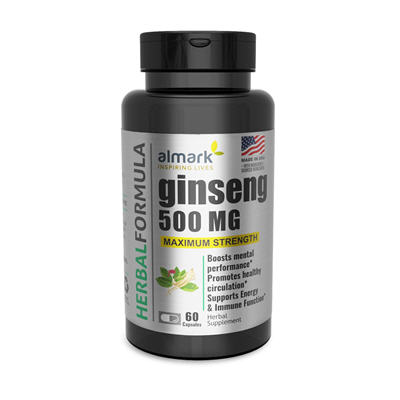
Ginseng refers to eleven different varieties of a short, slow-growing plant with fleshy roots. Ginseng is believed to restore and enhance wellbeing. It is one of the most popular herbal remedies.
The herbs consist of a light-colored, forked-shaped root, a relatively long stalk, and green leaves with an oval shape.
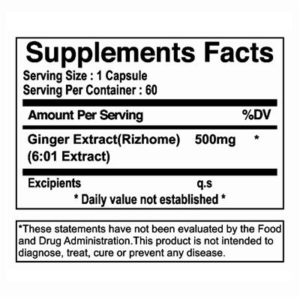
Ginger is a plant with leafy stems and yellowish green flowers. The ginger spice comes from the roots of the plant. Ginger is native to warmer parts of Asia, such as China, Japan, and India, but now is grown in parts of South American and Africa. It is also now grown in the Middle East to use as medicine and with food.
Ginger is commonly used for various types of "stomach problems," including motion sickness, morning sickness, colic, upset stomach, gas, diarrhea, irritable bowel syndrome (IBS), nausea, nausea caused by cancer treatment, nausea caused by HIV/AIDS treatment, nausea and vomiting after surgery, as well as loss of appetite.





















Reviews
There are no reviews yet.