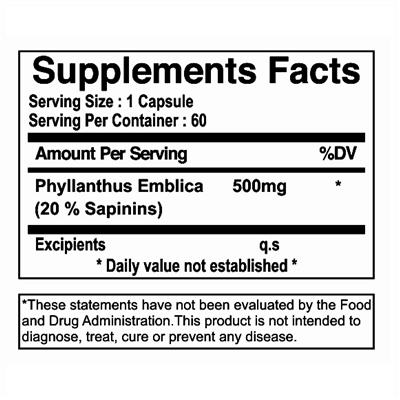
Indian gooseberry is a tree that grows in India, the Middle East, and some southeast Asian countries. Indian gooseberry has been used in Ayurvedic medicine for thousands of years. Today people still use the fruit of the tree to make medicine.
Indian gooseberry is most commonly used for high cholesterol, abnormal levels of cholesterol or blood fats (dyslipidemia), and persistent heartburn. It is also used for diarrhea, nausea, and cancer, but there is no good scientific evidence to support these uses.
Gymnema is a woody climbing shrub native to India and Africa. The leaves are used to make medicine. Gymnema has a long history of use in India's Ayurvedic medicine. The Hindi name for gymnema means "destroyer of sugar."
Gymnema contains substances that decrease the absorption of sugar from the intestine. Gymnema may also increase the amount of insulin in the body and increase the growth of cells in the pancreas, which is the place in the body where insulin is made.
Cranberries are native to North America. They are farmed on approximately 40,000 acres across the northern United States and Canada.
Cranberries are a healthful food, due to their high nutrient and antioxidant content. They are often referred to as a "super food." Half a cup of cranberries contains only 25 calories.
The nutrients in cranberries have been linked to a lower risk of urinary tract infections, prevention of certain types of cancer, improved immune function, and decreased blood pressure.
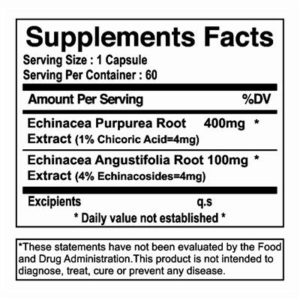
Echinacea has a complex mix of active substances, some of which are said to be antimicrobial, while others are believed to have an effect on the human immune system.
Mucuna pruriens is a tropical legume native to Africa and tropical Asia and widely naturalized and cultivated. Its English common names include velvet bean, Bengal velvet bean, Florida velvet bean, Mauritius velvet bean, Yokohama velvet bean, cowage, cowitch, lacuna bean, and Lyon bean. The plant is notorious for the extreme itchiness it produces on contact, particularly with the young foliage and the seed pods. It has agricultural and horticultural value and is used in herbalism.
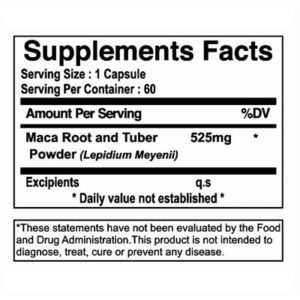
Maca is a plant that grows in central Peru in the high plateaus of the Andes Mountains. It has been cultivated as a vegetable crop in this area for at least 3000 years. Maca is a relative of the radish and has an odor similar to butterscotch. Its root is used to make medicine. Maca root contains many chemicals, including fatty acids and amino acids
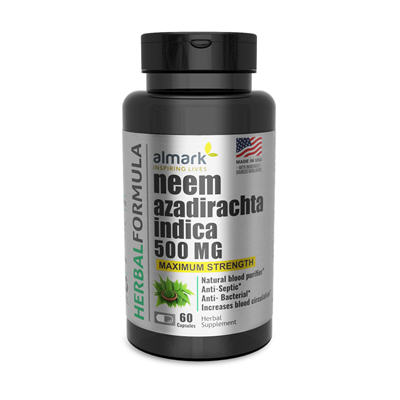
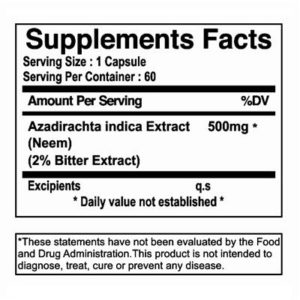
Neem is a tree. The bark, leaves, and seeds are used to make medicine. Less often, the root, flower, and fruit are also used.
The bark is used for malaria, stomach and intestinal ulcers, skin diseases, pain, and fever.
The flower is used for reducing bile, controlling phlegm, and treating intestinal worms.
The fruit is used for hemorrhoids, intestinal worms, urinary tract disorders, bloody nose, phlegm, eye disorders, diabetes, wounds, and leprosy.
Neem contains chemicals that might help reduce blood sugar levels, heal ulcers in the digestive tract, prevent pregnancy, kill bacteria, and prevent plaque formation in the mouth.
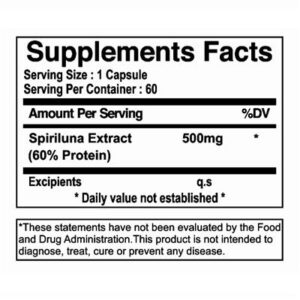
Spirulina is among the world’s most popular supplements.
It is loaded with various nutrients and antioxidants that may benefit your body and brain. Spirulina is an organism that grows in both fresh and salt water.
It is a type of cyanobacteria, which is a family of single-celled microbes that are often referred to as blue-green algae. Spirulina is a fantastic source of antioxidants, which can protect against oxidative damage.
Safed musli is a rare herb from India. It is used in traditional systems of medicine including Ayurveda, Unani, and homeopathy. It is traditionally used for arthritis, cancer, diabetes, boosting vitality, improving sexual performance, and for many other uses. It is considered a good energy booster. The roots of the herb can also be used to strengthen the immune system of the body.
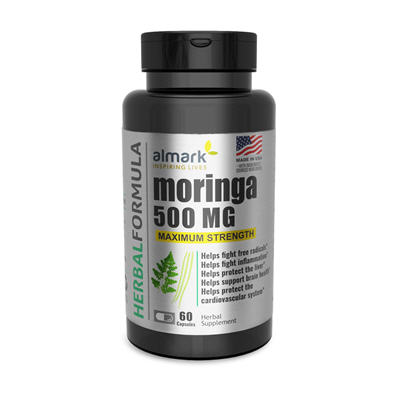
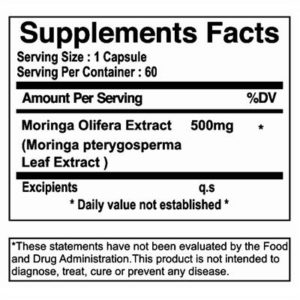
Moringa is a plant that is native to the sub-Himalayan areas of India, Pakistan, Bangladesh, and Afghanistan. It is also grown in the tropics. The leaves, bark, flowers, fruit, seeds, and root are used to make medicine.
Moringa is used for “tired blood” (anemia); arthritis and other joint pain (rheumatism); asthma; cancer; constipation; diabetes; diarrhea; epilepsy; stomach pain; stomach and intestinal ulcers; intestinal spasms; headache; heart problems; high blood pressure; kidney stones; fluid retention; thyroid disorders; and bacterial, fungal, viral, and parasitic infections.
Moringa is also used to reduce swelling, increase sex drive (as an aphrodisiac), prevent pregnancy, boost the immune system, and increase breast milk production. Moringa contains proteins, vitamins, and minerals. As an antioxidant, it seems to help protect cells from damage.
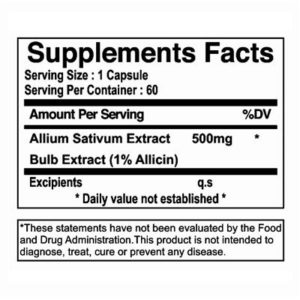
Garlic (Allium sativum), is used widely as a flavoring in cooking, but it has also been used as a medicine throughout ancient and modern history; it has been taken to prevent and treat a wide range of conditions and diseases.
Garlic belongs to the genus Allium and is closely related to the onion, rakkyo (an onion found in Asia), scallion, chive, leek, and shallot. It has been used by humans for thousands of years and was used in Ancient Egypt for both culinary purposes and its health and therapeutic benefits.






























Reviews
There are no reviews yet.